India’s Export Engine Gathers Pace as Shipments Near Dollar 400 Billion
BusinessBhumika Lenka30 Sept 2026
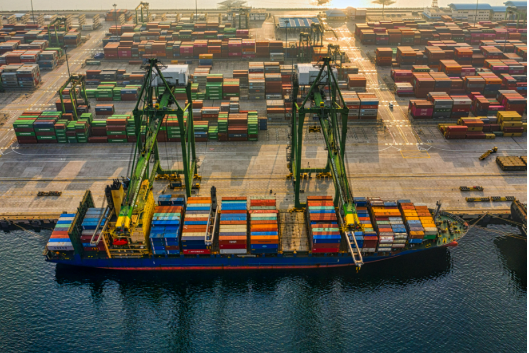
Sep 30: India’s exports continued to show strong momentum in the first five months of the financial year, with the combined value of merchandise and services exports reaching $399.27 billion between April and August 2026.
The performance comes as India steps up efforts to achieve its ambitious $1 trillion exports target for 2026-27, with growth across merchandise, services and high-value manufacturing sectors providing fresh momentum to the country’s global trade ambitions.
Merchandise exports increased 17.8 per cent to around $216 billion during April-August, while services exports rose 13 per cent to around $183 billion.
The government has set a target of $530 billion for merchandise exports and $470 billion for services exports during the current financial year. The combined target follows total exports of about $863.1 billion in 2025-26.
Manufacturing Adds Strength to Export Growth
India’s changing export profile is increasingly being supported by manufacturing and technology-intensive sectors.
Non-petroleum and non-gems-and-jewellery exports recorded healthy growth during the period, indicating a gradual diversification of the country’s export basket.
Electronics has emerged as a key growth driver. Electronic goods exports surged 89.8 per cent year-on-year to $5.5 billion in August 2026, compared with $2.9 billion in August 2025.
The strong performance highlights the expanding role of domestic electronics manufacturing and India’s growing participation in global supply chains.
Services Remain a Major Export Pillar
Alongside merchandise shipments, India’s services sector continues to provide an important foundation for export growth.
The rise in services exports reflects the strength of sectors such as information technology, business services and other digitally delivered services, reinforcing India’s position in the global services economy.
Expanding Global Market Opportunities
The government is also focusing on trade agreements, market diversification and improved access for Indian businesses to international markets.
Greater integration with global markets can create additional opportunities for Indian manufacturers, exporters and service providers while encouraging businesses to expand their international presence.
The emphasis is also on strengthening India’s export ecosystem through better infrastructure, logistics, quality standards, branding and support for businesses seeking to enter new overseas markets.
Focus on a Broader Export Base
The export push is expected to create opportunities across manufacturing, MSMEs and services, with sectors such as electronics, engineering goods, pharmaceuticals, textiles, food processing and technology services playing an increasingly important role.
A broader export base can also support investment, production and employment while strengthening India’s participation in global value chains.
Road Ahead
With exports already touching nearly $400 billion in the first five months, India’s $1 trillion ambition will depend on maintaining momentum across both goods and services during the remaining months of 2026-27.
The latest numbers point to an export strategy increasingly driven by manufacturing expansion, technology, services competitiveness, market diversification and stronger global supply-chain integration.
As India seeks to expand its footprint in international markets, sustained export growth could become an important contributor to the country’s broader economic expansion.